How to Organize a Move Checklist without the Panic
Relocating your life doesn't have to mean living in chaos. By structuring your timeline, sorting systematically, and tackling logistics in a logical order, you can maintain control from your first packed box to your first night in your new home.
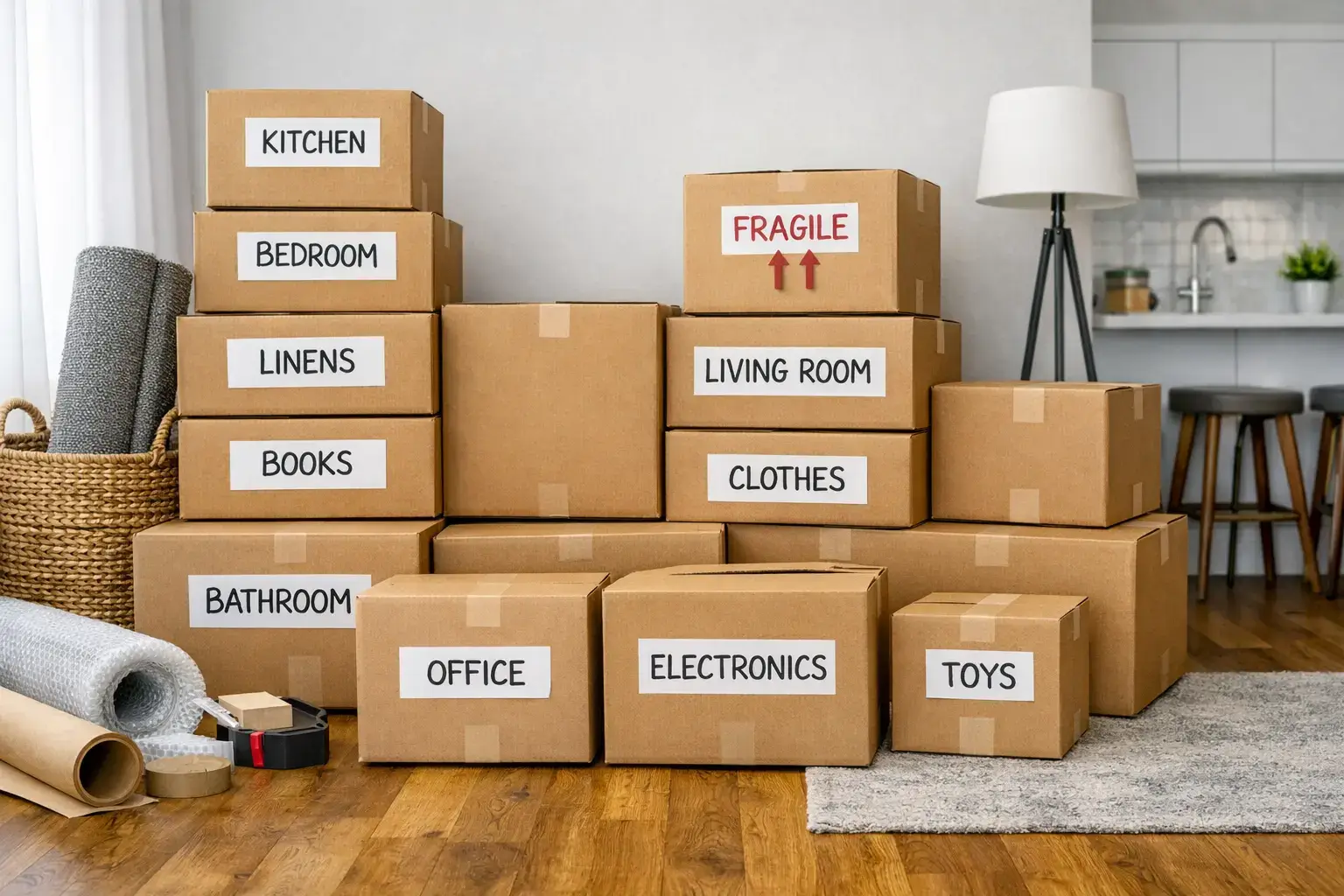
A simple, systematic structure keeps your moving journey safe, highly efficient, and predictable.
The Master Moving Timeline
Structuring a successful relocation timeline requires looking ahead. By starting your preparations eight weeks before moving day, you divide overwhelming tasks into simple, bite-sized weekly objectives.
Consistency Beats Speed
Trying to execute a complete household move in a single weekend leads to fragile items breaking and unnecessary mental fatigue. Following a gradual weekly checklist preserves your energy.
Establish the Foundation
Create a physical or digital moving organizer file. Research reliable moving companies, request binding estimates, and map out your estimated relocation budget to prevent unexpected financial stress.
Declutter & Streamline
Inventory your belongings room by room. Sell, donate, or recycle items you do not want to transport to your new home. Begin obtaining official school, medical, and dental transfer records.
Logistics & Supplies
Squeeze packing materials together, gather premium boxes, strong packing tape, and bubble wrap. Start packing low-priority spaces like basements, garages, and off-season wardrobes.
Finalizing Bookings
Reconfirm dates with your professional movers or rental truck service. Start packing mid-use rooms and coordinate the transfer of your home insurance policies to the new address.
The Room-by-Room Decluttering System
Every items you pack, load, and unpack costs time and money. Decluttering your current home before assembling box #1 is the single most efficient way to reduce overall relocation costs and guarantee a clean start in your next property.
The One-Year Rule
If you haven't opened, worn, or used a specific item in the past 12 months, it belongs in the donate, sell, or discard category rather than inside a cardboard box.
Keep & pack
Items that you actively use, love, or have distinct sentimental value. Pack these systematically.
Donate with care
Functional goods, clothing, and books that could serve someone else. Schedule a free charity pickup early.
Sell strategically
Valuable furniture or electronics you no longer want. List them online or host a quick yard sale to fund your move.
Discard or recycle
Broken appliances, expired pantry items, or worn-out materials. Dispose of them responsibly or recycle where possible.
Establishing a Transparent Moving Budget
Relocating contains a surprising amount of moving parts, and small, untracked logistics can quickly add up. Structuring an itemized budget before making down payments prevents last-minute surprises.
The 10% Cushion Rule
Always establish a 10% emergency buffer inside your moving budget. This covers unexpected situations like highway traffic delays, extra parking permit fees, or last-minute packing materials.
Direct Carrier Costs
High ImpactTruck rental fees, physical fuel surcharges, professional loading crews, and structural storage units.
Transition Materials
Low ImpactHeavy-duty cardboard boxes, high-grade bubble wrap, packing tape, and floor protection runners.
Administrative & Setup
Medium ImpactOfficial utility connection deposits, building strata elevator booking fees, and address forwarding fees.
Beware of Sneaky Relocation Costs
When getting estimates from professional moving companies, look closely at their fine print. Be sure to ask about:
- Staircase & long-carry fees
- Extra heavy item surcharges
- Fuel pricing adjustments
- Moving insurance coverage rates
Sourcing & Estimating Moving Supplies
Running out of packing tape or cardboard boxes mid-way through a pack disrupts your momentum and wastes hours. Securing the correct volume of protection materials beforehand keeps the process moving smoothly.
Heavy-Duty Professional Boxes
Avoid using thin supermarket or grocery store boxes. Heavy household goods require sturdy, double-walled boxes to prevent bottoms from collapsing during transit and loading.
Estimated Quantities by Household Size
Where to Source Quality Supplies?
Many local truck rental services and professional moving crews allow you to purchase protective cardboard boxes in bulk, and some will even buy back unused boxes that remain clean, flat, and untaped after your move is completed.
The Ultimate Inventory & Box-Labeling System
Arriving at your new home with dozens of identical cardboard boxes is incredibly overwhelming if you don't know what is inside them. Organizing a highly visual, structured labeling system saves your moving crew time and keeps you from digging through multiple containers just to find a coffee maker.
The Color-Coded Room Assignment
Assign a unique color of heavy-duty packing tape or labels to each room in your new home. Yellow for kitchen, blue for primary bedroom, and green for living room. Stick these labels on multiple sides of the box so they are visible even when stacked.
The Box Number & Inventory Master
Instead of writing every single item on the box exterior, write a bold number (e.g., 'Kitchen #14') and keep a running digital spreadsheet. Write the general contents (e.g., 'Baking dishes, blender') in the spreadsheet next to that number.
Movers Look at Color, Not Words
Professional movers work incredibly fast. A bold, bright strip of color-coded tape is instantly recognizable from across a busy hallway, ensuring boxes land in the correct room without slowing down the workflow.
Professional Movers vs. DIY
Choosing whether to hire a professional moving company or coordinate a manual do-it-yourself move is the single largest decision you will make. This choice dictates your budget, timeline, and stress levels.
The Hidden Cost of DIY
Remember to calculate all secondary costs when renting a truck: fuel consumption, highway tolls, parking permits, physical liability insurance, ramp rentals, and purchasing meals for helping friends.
Hiring Professional Movers
Best for convenience and physical safety
- Eliminates heavy lifting and risk of personal injury
- Provides basic transit insurance and liability coverage
- Saves significant travel, loading, and setup time
- Experienced packing secures fragile or bulky items
DIY Truck Rental
Best for tight budgets and flexible schedules
- Significantly lower direct financial expense
- Complete control over your moving schedule
- No risk of unexpected mover delays or pricing changes
- Ideal for short-distance or local neighborhood moves
The Decision Checklist
Rent a truck if you have under three bedrooms, a move distance under 50 miles, and helpful friends.
Hire professionals if you have delicate items, stairs, a long interstate drive, or zero capacity for physical lifting.
Truck Fuel & Mileage
Variable fuel pricing
Road Tolls & Parking Permits
City municipality fines
Rental Collision Insurance
No personal auto coverage
Address & Utility Transfer Directory
Changing your physical address involves a spiderweb of digital and administrative accounts. Following a chronological transition checklist ensures you never lose critical mail or end up paying for electricity at a home you no longer occupy.
The Forwarding Buffer
Set up postal mail forwarding to begin 3 days before your official move date. This captures early transition letters and gives you a buffer to change remaining individual accounts.
Core Utilities & Connectivity
Schedule disconnect dates for your current electric, natural gas, water, garbage, and fiber internet accounts. Arrange connection dates for these same services at your new address to avoid moving into a dark, cold house.
Official Forwarding & Government
Submit an official change-of-address form with the postal service to set up mail forwarding. Begin updating your address directly with your banks, credit cards, insurance providers, and employer payroll departments.
Deliveries & Secondary Accounts
Audit your digital subscription history to update delivery addresses for online retailers, meal kit services, and streaming billing addresses to prevent packages from going to your old front porch.
Post-Move Coordination
Once you arrive, quickly check off essential safety and comfort steps. Confirm that water heaters are operational, locate your main electrical panel, double-check your heating/cooling system, and recycle packing materials.
The Sequence of Packing (Least to Most Used)
The biggest mistake people make is packing random items without a plan, leading to weeks of living out of boxes trying to locate basic kitchen utensils. By packing your home in distinct phases, you keep your household functional up to the final hours.
The "Open First" Box
Always reserve one clear, labeled container for your absolute essentials: phone chargers, medication, toilet paper, bedding, basic tools, a box cutter, and trash bags. Keep this box in your personal vehicle rather than on the moving truck.
Low-Priority Storage & Off-Season Items
Pack the contents of your garage, attic, basement, and holiday decoration closets. Box up off-season wardrobes, guest bedroom linens, books, and decorative home artwork.
Mid-Priority & Secondary Rooms
Secure specialty cookware, extra dinnerware, board games, toy collections, and secondary television setups. Pack your secondary bathrooms, leaving only basic daily toiletries accessible.
High-Priority Daily Essentials
Pack the remaining electronics, standard wardrobe items, and most kitchen utensils. Leave out exactly enough plates, forks, and cups for each family member for the final 48 hours.
Pro Packing Order Tip
As you pack each room, group similar items inside the same box and fill empty spaces with clean wrapping paper. Loose items are much more prone to breaking during transit when boxes are shifted.
Moving Week & Day-of Logistics
When moving week arrives, execution is everything. Having a systematic plan for the final 48 hours keeps you in control, ensures your security deposit is protected, and helps you hand off the keys with total peace of mind.
The Key Handover Protocol
Place all spare keys, garage door openers, and appliance manuals on the kitchen counter unless your landlord or real estate agent has requested a different physical exchange.
Defrost and Secure Appliances
Empty, clean, and completely defrost your refrigerator and freezer to prevent leaks during transit. Tape appliance doors shut and bundle electrical cords safely.
Walkthrough and Crew Briefing
Identify high-value or highly fragile boxes to your moving crew before they start loading. Verify that all high-traffic floors are protected with runners to prevent scratches or stains.
Final Property Sweep
Perform one final walk-through of every room, closet, and drawer. Photograph utility meter readings (gas, water, electricity) for your records, turn off lights, and lock all doors.
arrival at your new home
Before the movers begin unloading boxes at your new address, conduct a quick walkthrough to verify that utilities are on, floors are clean, and there is no damage from previous occupants.