Vancouver to Victoria Movers
Moving across the strait to Vancouver Island? We coordinate seamless relocations from the Lower Mainland to Greater Victoria. Our network partners handle everything, from BC Ferries commercial booking to direct home delivery.

Specialized Vancouver to Victoria Moving Services
Cross-strait relocations demand precise logistical timing. Our partner network offers structured residential solutions designed to bridge the gap between the mainland and Vancouver Island.
Full Home Relocations
Comprehensive multi-bedroom house transitions from any Lower Mainland municipality to Greater Victoria. Includes dedicated staging, structured packing systems, and systematic placement inside your new island residence.
Townhouse & Condo Specialists
Tailored strategies designed specifically for narrow urban stairwells, strict strata parking guidelines, and elevator loading dock rules. Ideal for seamless moving out of downtown Vancouver into Victoria's core.
Coordinated Ferry Logistics
Eliminate the anxiety of terminal standby lists. Our partner network manages all commercial vehicle reservations on BC Ferries routes, bundling standard cross-strait fares directly into your structural resource calculation.
High-Value & Fragile Cargo Care
Enhanced protective packing setups explicitly engineered to absorb ocean swell movement during transit. Custom wood crating, secure stabilization straps, and dense shock-absorbent blankets guard delicate belongings.
Vancouver to Victoria Resource Estimations
Cross-strait relocation timelines depend entirely on property volume and BC Ferries scheduling. We scale logistics using realistic resource frameworks to keep your move on time.
Condo / Apartment Layout
Perfect for single-floor setups or urban high-rises. Structured to meet strict loading elevator reservations in Metro Vancouver and downtown Victoria.
Standard Suburban Townhome
Optimized for multi-level layouts and tight strata driving lanes. Factors in efficient vertical stair carries and precise ferry deck spacing.
Detached Family Residence
Tailored for 3+ bedroom homes. Includes ample heavy blankets, comprehensive protective loading wraps, and pre-booked heavy commercial ferry lanes.
Large Estate / Rural Acreage
Designed for expansive properties with outbuildings or specialized high-volume belongings. Involves direct terminal scheduling and advanced staging setups.
How are ferry fares and reservation fees handled?
All-inclusive inter-city quotes through our platform account for commercial vehicle length weights and ferry reservations automatically. Enter your inventory specifics into our digital estimator to get a comprehensive framework tailored to your move.
Designed for Vancouver to Victoria Logistics
Hiring random local movers can lead to surprise ferry fee add-ons and missed connections. Our platform connects you with dedicated cross-strait specialists who master the marine pipeline daily.
Commercial Ferry Reservation Management
Avoid long terminal standby lines at Tsawwassen or Swartz Bay. Network partners manage commercial vehicle dimensions and pre-book direct sailing windows on BC Ferries routes, ensuring predictable transit time frames.
Synchronized Inter-City Timing
Moving from Metro Vancouver to Greater Victoria requires perfect scheduling between packing, driving, sailing, and offloading. Experienced island long-haul crews structure your loading windows to align cleanly with maritime departures.
Marine Transit Cargo Protection
Securing cargo for ocean crossings involves distinct stabilization rules. Vehicles are loaded using multi-point tie-down systems and dense shock-absorbing furniture wraps to safeguard your belongings against unexpected swell movement.
Ferry Logistics Specialists
Moving from Vancouver to Victoria isn't a standard highway haul, it demands precise integration with maritime schedules. Our partner network bridges the Georgia Strait by aligning heavy vehicle transport with commercial marine timetables, taking the complexity out of island relocation.
Commercial Deck Allocation
Moving household assets over water means accounting for vehicle length and weight precisely. Partners pre-arrange explicit commercial terminal spots to guarantee transit on designated sailings.
Cross-Strait Cargo Stabilization
Belongings encounter distinct physical forces on open water. Transport crews utilize dynamic load straps and layered moving blankets to protect inventories against standard marine rolling movements.
Swartz Bay to Victoria Dispatch
Once off the vessel at Swartz Bay, operators navigate the Patricia Bay Highway corridor efficiently. Delivery paths are pre-calculated to ensure seamless arrivals across Greater Victoria neighborhoods.
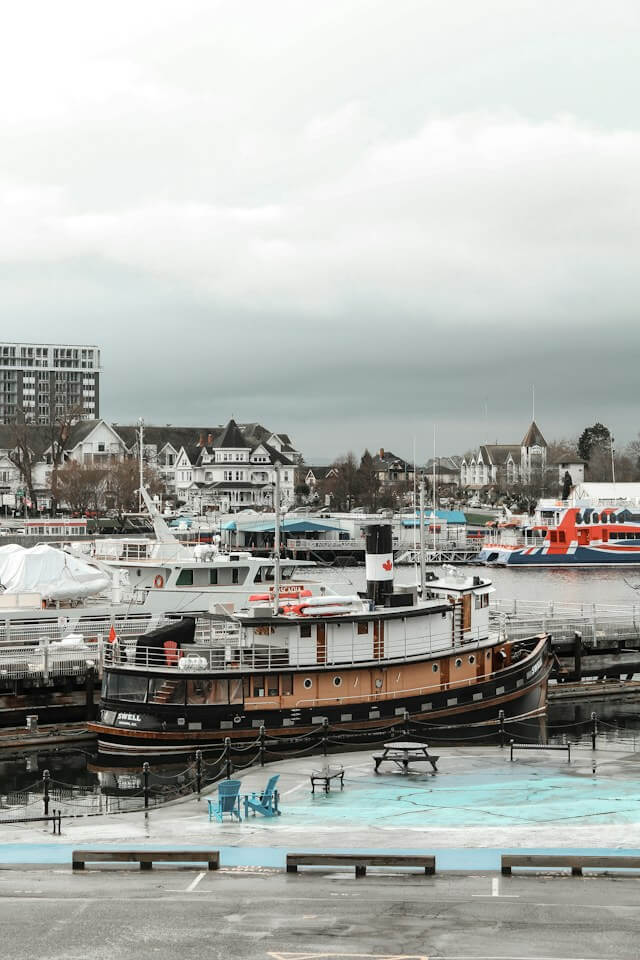
Crews optimize transit coordinates specifically for the Swartz Bay marine terminal pipeline, moving your household goods directly from the mainland docks straight onto the regional highway network without uncoordinated multi-sailing delays.
What Families Say About Their Cross-Strait Move
Read real feedback from clients who trusted our partner networks with their relocation logistics from Vancouver to Victoria.
“The thought of moving our entire 4-bedroom house across the water was overwhelming. This network handled the BC Ferries coordination seamlessly. The truck arrived exactly on time at our new Oak Bay residence with zero issues.”
“Exceeded expectations for our move from Vancouver. They handled the tight elevator loading zones on both ends and navigated the ferry crossing smoothly. Clear communication and honest resource tracking.”
“Outstanding cross-strait service. They wrapped all our high-value furniture perfectly to protect against the ferry crossing movement. No hidden fees or unexpected ferry surcharges whatsoever.”
Greater Victoria Delivery Areas We Serve
Once our partner trucks disembark from the Swartz Bay terminal, crews coordinate safe transport and direct home offloading across all Capital Regional District communities.
Frequently Asked Questions
Moving Expertise for Vancouver to Victoria Relocations
Relocating from Vancouver to Victoria requires movers who understand the unique combination of city loading, ferry coordination, and island access conditions. This route is shaped by ferry schedules, terminal traffic, weather patterns, and the transition from Vancouver’s dense neighborhoods to Victoria’s residential layout. Professional movers plan around sailing times, loading windows, and predictable slowdowns at Tsawwassen and Swartz Bay. They also prepare for the shift from Lower Mainland traffic to Vancouver Island’s coastal roads, hillside neighborhoods, and residential pockets spread across Greater Victoria. This combination of urban access, ferry travel, and island terrain makes Vancouver to Victoria one of the most timing sensitive relocations in British Columbia.
Planning the Vancouver to Victoria Route
The Vancouver to Victoria route begins with loading in Vancouver followed by transport to the Tsawwassen ferry terminal. Movers must account for Highway 99 traffic, ferry check in times, and staging requirements at the terminal. Once on the ferry, items must be secured for vibration, wind exposure, and movement during sailing. After arriving at Swartz Bay, crews navigate Victoria’s varied terrain including steep hills, narrow residential roads, coastal neighborhoods, and busy urban corridors. This combination of city access, ferry travel, and island terrain requires careful planning and stable load setups to ensure belongings remain safe throughout the journey.
Protecting Belongings During Ferry Transport
Ferry travel introduces movement that differs from standard highway driving. Items must be secured to prevent shifting during docking, sailing, and unloading. Movers use padded protection, moisture resistant coverings, and stable load patterns to keep belongings safe throughout the crossing. This is especially important for furniture, electronics, artwork, and fragile items that can be affected by vibration or sudden movement. Proper preparation ensures belongings arrive in Victoria in the same condition they left Vancouver.
Access Considerations for Vancouver and Victoria Homes
Vancouver neighborhoods such as Kitsilano, Mount Pleasant, Downtown, East Vancouver, Burnaby, and the North Shore often include tight streets, apartment loading bays, and building rules that influence timing. Victoria neighborhoods including Oak Bay, Fernwood, James Bay, Fairfield, Gordon Head, and View Royal feature angled driveways, coastal roads, hillside streets, and multi level homes that affect truck positioning. Movers familiar with both cities plan around these differences to ensure smooth loading and unloading throughout the relocation.
Timing and Coordination for Island Moves
Island moves require precise timing because ferry schedules determine departure windows. Movers coordinate arrival at Tsawwassen to avoid missed sailings and delays. They also plan unloading in Victoria around local traffic patterns, property access, and homeowner availability. Predictable long distance moves depend on accurate inventory assessment, organized staging, and crews who understand the Vancouver to Victoria route in detail. This level of coordination helps ensure a smooth transition from the Lower Mainland to Vancouver Island.
Why Island Experienced Movers Deliver Better Results
Movers who regularly handle Vancouver to Victoria relocations understand how ferry schedules, terminal procedures, and island terrain affect the entire moving process. They use trucks suited for ferry transport, maintain stable load setups, and follow packing routines that prevent damage during sailing. Their familiarity with Vancouver’s urban access points and Victoria’s residential layout ensures smooth transitions at both ends of the move. This experience allows them to anticipate challenges and maintain efficient workflows throughout the relocation.
Handling Seasonal Conditions on the Vancouver to Victoria Route
Seasonal conditions play a major role in Vancouver to Victoria moves. Winter storms, heavy rain, fog, and coastal winds can influence ferry schedules and travel speed. Summer traffic near Tsawwassen and Swartz Bay can also affect timing. Movers plan departure windows around weather forecasts, terminal updates, and seasonal traffic patterns to maintain predictable arrival times. This planning helps ensure safe transport for long distance moves into Victoria regardless of seasonal changes.
Preparing for a Smooth Transition into Victoria
Victoria’s residential layout includes a mix of historic homes, modern builds, hillside properties, and coastal neighborhoods. Movers prepare for narrow streets, angled driveways, and limited parking in areas such as James Bay, Fernwood, and Oak Bay. They also plan for multi level homes, stair access, and tight hallways that require careful handling. This preparation ensures belongings are moved safely and efficiently into Victoria homes regardless of layout or access challenges.
Moving Homes from Vancouver to Victoria
Home moves from Vancouver to Victoria require crews who understand how ferry schedules, terminal traffic, and island access shape the entire relocation. Vancouver neighborhoods such as Kitsilano, Mount Pleasant, East Vancouver, Burnaby, and the North Shore often involve tight streets, apartment loading zones, and building rules that influence departure timing. Victoria areas including Oak Bay, James Bay, Gordon Head, Fairfield, and View Royal feature angled driveways, coastal roads, and hillside streets that affect unloading. Movers familiar with this route plan around ferry timing and property access to keep the move predictable. Homeowners preparing for the transition can review our how to organize move checklist before moving day.
Apartment and Condo Moves to Victoria
Apartment and condo moves between Vancouver and Victoria require careful coordination with building management at both locations. Vancouver buildings often include compact elevators, underground parking, and scheduled move in windows. Victoria buildings in areas such as Downtown, Harris Green, and James Bay may include similar restrictions with designated elevators, lobby protection requirements, and limited visitor parking. Movers use stair safe lifting techniques, protective padding, and stable load setups to navigate tight hallways and multi floor buildings. For last minute moves or unexpected schedule changes, homeowners can review our last minute moving checklist to stay prepared.
Office Moves from Vancouver to Victoria
Businesses relocating from Vancouver to Victoria need movers who can manage equipment, coordinate access, and maintain predictable timing across ferry travel and island terrain. Vancouver office buildings in Downtown, Gastown, Yaletown, Burnaby, and Richmond often require scheduled elevator access and lobby protection. Victoria office spaces in the Downtown core, Government Street area, and commercial zones near Douglas Street include similar requirements. Professional office movers use organized packing systems and secure equipment handling to reduce downtime. Business owners preparing staff for the transition can review our office relocation checklist to stay on track.
Commercial Moves into Greater Victoria
Commercial moves between Vancouver and Victoria require predictable coordination and careful handling of inventory, equipment, and fixtures. Vancouver commercial zones including Downtown, Mount Pleasant, Burnaby, Richmond, Surrey, and Coquitlam often involve loading docks, underground access points, and building management requirements. Victoria commercial areas such as Downtown, Uptown, and industrial corridors near Bay Street include similar constraints. Movers use itemized packing systems and secure loading routines to safeguard inventory during ferry travel and island unloading. For businesses planning a structured transition, our commercial moving checklist can help organize the process.
Packing Services for Vancouver to Victoria Moves
Packing for a move into Victoria requires materials and methods that protect belongings during ferry travel and island terrain. Movers use reinforced boxes, high density blankets, moisture resistant coverings, and stable load setups to prevent vibration damage and shifting. Fragile items, electronics, artwork, and furniture are prepared using materials suited to coastal climate changes and movement during sailing. Homeowners who want a printable preparation guide can download our printable moving checklist PDF to stay organized.
Furniture Protection for Ferry and Island Travel
Furniture moving between Vancouver and Victoria requires strong protection and secure load stabilization. Ferry travel introduces movement that is different from standard highway driving. Items must be anchored to prevent shifting during docking, sailing, and unloading. Island terrain near Victoria includes steep hills, narrow roads, and coastal routes that require vibration resistant load setups. Movers use padded protection, tie down systems, and structured load sequencing to keep furniture stable throughout the route.
Weather Planning for Vancouver to Victoria Moves
Weather plays a major role in Vancouver to Victoria relocations. Wind, rain, fog, and coastal conditions can influence ferry schedules and travel speed. Experienced movers plan departure times around weather forecasts, terminal updates, and seasonal traffic patterns. They adjust schedules to avoid slowdowns near Tsawwassen, Swartz Bay, and island access roads. This planning helps maintain predictable arrival windows and safe transport for long distance moves into Victoria.
Connect With Professional Vancouver to Victoria Movers Today
Plan your seamless cross-strait relocation with vetted moving companies who know the marine terminal networks, high-occupancy corridors, and local community rules of Greater Victoria.