Vancouver to Nanaimo Movers
Relocating from the Lower Mainland to the Hub City? We coordinate efficient, cross-strait residential transitions. Our platform connects you with experienced transport specialists who handle complete BC Ferries logistics, from Horseshoe Bay or Tsawwassen straight to your new Nanaimo neighborhood.

Comprehensive Moving Services Tailored for Nanaimo
Relocating across the strait requires clear planning. Our network offers structured residential solutions to make your transition to Vancouver Island straightforward and predictable.
Residential Household Moving
Complete household relocations managed by teams specializing in cross-strait transport. From family homes to townhouses, we handle the entire logistics pipeline from your mainland doorstep to your new central island property.
Multi-Tier Relocation Staging
Structured workflows designed to synchronize packing, transport, and offloading neatly with marine sailing slots. This systematic approach coordinates your timeline perfectly to eliminate standby friction.
Full-Service Protective Packing
Professional wrapping and packing solutions engineered for maritime transit. Using high-density blankets and multi-point secure strapping systems, we safeguard your furniture against standard marine rolling movements.
Coordinated Terminal Logistics
No dealing with complicated vehicle length declarations or reservation systems. Fleet operators integrate necessary commercial ferry space bookings smoothly into your tailored relocation framework.
Vancouver to Nanaimo Resource Estimations
Cross-strait relocation timelines depend entirely on property volume and regional terminal scheduling. We scale logistics using realistic resource frameworks to keep your move on time.
Single-Floor Layout / Apartment
Optimized for simplified flats or high-rise residences. Tailored around strict parking rules and loading dock time allocations on both sides of the strait.
Standard Suburban Residence
Configured for multi-level family properties and complex townhomes. Covers standard commercial vehicle space alignments and organized loading sequences.
Detached Family Home
Built for robust 3+ bedroom properties. Fully incorporates industrial-grade furniture padding, multi-point ties, and advanced terminal reservations.
Hub City Acreage / Large Estate
Designed specifically for sprawling rural acreages or specialized high-volume households requiring advanced cross-strait scheduling and route staging.
How are commercial ferry space requirements handled?
All-inclusive inter-city frameworks through our platform calculate vehicle weight lengths and pre-book ferry space automatically. Enter your detailed inventory into our dynamic estimator to generate a structure tailored specifically to your move.
Engineered for Vancouver to Nanaimo Crossings
Hiring uncoordinated local movers can lead to surprise ferry surcharge add-ons and missed connections. Our platform introduces you to dedicated cross-strait professionals who navigate the marine pipeline every day.
Vetted Commercial Space Booking
Avoid multi-sailing general standby delays at Horseshoe Bay or Tsawwassen. Network operators coordinate heavy vehicle dimensions and secure designated commercial deck spots on key BC Ferries routes ahead of time.
Coordinated Port Logistics
Moving from the Lower Mainland to the Hub City demands highly accurate transit planning. Dispatchers analyze traffic patterns on both sides of the strait to align loading windows seamlessly with specific terminal windows.
Duke Point & Departure Bay Clearance
Whether routing via central Nanaimo or the south industrial corridor, operators adapt paths dynamically based on local vessel arrival data. This keeps deliveries moving straight down the Island Highway without gridlock delays.
Hub City Logistics Specialists
An island relocation involves more than just a ferry crossing. Nanaimo’s unique coastal landscape features steep ridge elevations, historic harbor layouts, and sweeping hillside neighborhoods that require precise heavy-vehicle handling once on solid ground.
Islands Highway Corridor Management
Navigating heavy logistics past terminal exits requires structural coordination. Transport teams utilize pre-planned paths off the ramps to circumvent local arterial bottlenecks seamlessly.
Steep Coastal & Hillside Inclines
From North Nanaimo coastal lookouts to steep Pleasant Valley properties, local driveways demand technical vehicle placement. Drivers utilize specialized air-brake control systems and low-gear techniques to position trucks safely.
Narrow Seaside Lane Navigation
Hammond Bay and historic waterfront pathways present narrow clearance limitations. Vetted operators select right-sized vehicle frames to fit tricky residential turns without damaging property overhangs.
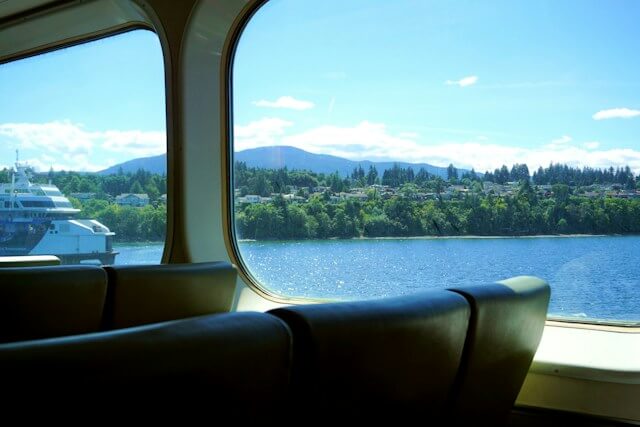
Crews actively coordinate arrival routes using live traffic data from Departure Bay and Duke Point corridors, moving household inventories safely from marine decks directly to complex hillside residential zones without delivery delays.
What Families Say About Their Cross-Strait Move
Read authentic feedback from clients who relied on our network carriers for their relocation logistics from the Lower Mainland to Greater Nanaimo.
“We were genuinely stressed about moving our entire household from Burnaby to Vancouver Island. This platform put our minds at ease right away. The partner crew handled the Horseshoe Bay reservation flawlessly and navigated our steep, winding hillside driveway without a single scratch.”
“Seamless transition from Vancouver to Nanaimo. Everything was clearly detailed ahead of time, meaning no surprise ferry surcharges or hidden vehicle length fees. The truck rolled straight off the vessel and arrived right on schedule.”
“Professional cross-strait logistics at their finest. Their packing system secured our fragile display cabinets perfectly against the ferry crossing movement. Excellent communication from the initial inquiry straight through to final offloading.”
Greater Nanaimo Delivery Areas We Serve
Once partner vehicles clear the Duke Point or Departure Bay arrival terminals, transport crews coordinate safe and prompt residential offloading straight to your destination.
Frequently Asked Questions
Moving Expertise for Vancouver to Nanaimo Relocations
Relocating from Vancouver to Nanaimo requires movers who understand the combination of urban loading, ferry logistics, and island access conditions. This route is different from interior or northern moves because timing depends on ferry schedules, terminal traffic, and predictable slowdowns at Horseshoe Bay and Departure Bay. Professional movers plan around sailing times, loading windows, and weather patterns that influence ferry operations. They also prepare for the transition from Vancouver's dense neighborhoods to Nanaimo's hillside streets, coastal roads, and residential pockets spread across the city.
Planning the Vancouver to Nanaimo Route
The Vancouver to Nanaimo route begins with urban loading in Vancouver followed by transport to Horseshoe Bay. Movers must account for traffic patterns on Highway 1, ferry check in times, and staging requirements at the terminal. Once on the ferry, items must be secured for vibration, wind exposure, and movement during sailing. After arriving at Departure Bay, crews navigate Nanaimo's varied terrain including steep hills, narrow residential roads, and coastal neighborhoods. This combination of city access, ferry travel, and island terrain requires careful planning and stable load setups.
Protecting Belongings During Ferry Transport
Ferry travel introduces movement that is different from standard highway driving. Items must be secured to prevent shifting during docking, sailing, and unloading. Movers use padded protection, moisture resistant coverings, and stable load patterns to keep belongings safe throughout the crossing. This is especially important for furniture, electronics, artwork, and fragile items that can be affected by vibration or sudden movement. Proper preparation ensures belongings arrive in Nanaimo in the same condition they left Vancouver.
Access Considerations for Vancouver and Nanaimo Homes
Vancouver neighborhoods such as Kitsilano, Mount Pleasant, Downtown, East Vancouver, Burnaby, and the North Shore often include tight streets, apartment loading bays, and building rules that influence timing. Nanaimo neighborhoods including North Nanaimo, South Nanaimo, Departure Bay, Hammond Bay, and Chase River feature hillside streets, angled driveways, coastal roads, and multi level homes that affect truck positioning. Movers familiar with both cities plan around these differences to ensure smooth loading and unloading throughout the relocation.
Timing and Coordination for Island Moves
Island moves require precise timing because ferry schedules determine departure windows. Movers coordinate arrival at Horseshoe Bay to avoid missed sailings and delays. They also plan unloading in Nanaimo around local traffic patterns, property access, and homeowner availability. Predictable long distance moves depend on accurate inventory assessment, organized staging, and crews who understand the Vancouver to Nanaimo route in detail. This level of coordination helps ensure a smooth transition from the Lower Mainland to Vancouver Island.
Why Island Experienced Movers Deliver Better Results
Movers who regularly handle Vancouver to Nanaimo relocations understand how ferry schedules, terminal procedures, and island terrain affect the entire moving process. They use trucks suited for ferry transport, maintain stable load setups, and follow packing routines that prevent damage during sailing. Their familiarity with Vancouver's urban access points and Nanaimo's residential layout ensures smooth transitions at both ends of the move. This experience allows them to anticipate challenges and maintain efficient workflows throughout the relocation.
Home Moves from Vancouver to Nanaimo
Moving a home from Vancouver to Nanaimo requires crews who understand how ferry schedules, terminal traffic, and island access shape the entire relocation. Vancouver neighborhoods such as Kitsilano, Mount Pleasant, East Vancouver, Burnaby, and the North Shore often involve tight streets, apartment loading zones, and building rules that influence departure timing. Nanaimo areas including North Nanaimo, Departure Bay, Hammond Bay, Chase River, and South Nanaimo feature angled driveways, coastal roads, and hillside streets that affect unloading. Movers familiar with this route plan around ferry timing and property access to keep the move predictable. Homeowners preparing for the transition can review our how to organize move checklist before moving day.
Apartment and Condo Moves to Nanaimo
Apartment and condo moves between Vancouver and Nanaimo require careful coordination with building management at both locations. Vancouver buildings often include compact elevators, underground parking, and scheduled move in windows. Nanaimo buildings in areas such as Downtown, Brechin Hill, and University District may include similar restrictions with designated elevators, lobby protection requirements, and limited visitor parking. Movers use stair safe lifting techniques, protective padding, and stable load setups to navigate tight hallways and multi floor buildings. For last minute moves or unexpected schedule changes, homeowners can review our last minute moving checklist to stay prepared.
Office Moves from Vancouver to Nanaimo
Businesses relocating from Vancouver to Nanaimo need movers who can manage equipment, coordinate access, and maintain predictable timing across ferry travel and island terrain. Vancouver office buildings in Downtown, Gastown, Yaletown, Burnaby, and Richmond often require scheduled elevator access and lobby protection. Nanaimo office spaces in the Downtown core, industrial corridors, and commercial zones near Terminal Avenue include similar requirements. Professional office movers use organized packing systems and secure equipment handling to reduce downtime. Business owners preparing staff for the transition can review our office relocation checklist to stay on track.
Commercial Moves into Nanaimo
Commercial moves between Vancouver and Nanaimo require predictable coordination and careful handling of inventory, equipment, and fixtures. Vancouver commercial zones including Downtown, Mount Pleasant, Burnaby, Richmond, Surrey, and Coquitlam often involve loading docks, underground access points, and building management requirements. Nanaimo commercial areas such as Downtown, industrial corridors, and retail zones near Highway 19 include similar constraints. Movers use itemized packing systems and secure loading routines to safeguard inventory during ferry travel and island unloading. For businesses planning a structured transition, our commercial moving checklist can help organize the process.
Packing Services for Vancouver to Nanaimo Moves
Packing for a move into Nanaimo requires materials and methods that protect belongings during ferry travel and island terrain. Movers use reinforced boxes, high density blankets, moisture resistant coverings, and stable load setups to prevent vibration damage and shifting. Fragile items, electronics, artwork, and furniture are prepared using materials suited to coastal climate changes and movement during sailing. Homeowners who want a printable preparation guide can download our printable moving checklist PDF to stay organized.
Furniture Protection for Ferry and Island Travel
Furniture moving between Vancouver and Nanaimo requires strong protection and secure load stabilization. Ferry travel introduces movement that is different from standard highway driving. Items must be anchored to prevent shifting during docking, sailing, and unloading. Island terrain near Nanaimo includes steep hills, narrow roads, and coastal routes that require vibration resistant load setups. Movers use padded protection, tie down systems, and structured load sequencing to keep furniture stable throughout the route.
Weather Planning for Vancouver to Nanaimo Moves
Weather plays a major role in Vancouver to Nanaimo relocations. Wind, rain, fog, and coastal conditions can influence ferry schedules and travel speed. Experienced movers plan departure times around weather forecasts, terminal updates, and seasonal traffic patterns. They adjust schedules to avoid slowdowns near Horseshoe Bay, Departure Bay, and island access roads. This planning helps maintain predictable arrival windows and safe transport for long distance moves into Nanaimo.
Connect With Professional Vancouver to Nanaimo Movers Today
Plan your seamless cross-strait relocation with vetted moving companies who know the marine terminal networks, high-occupancy corridors, and local community rules of Greater Nanaimo.